







SEAT Glossary
All the details.- E10
- Easy Entry Function
- Easy Fold
- EBA
- EBD
- ECOMOTIVE models
- Elbow Room in the car
- Electric driver seat
- Electric Handbrake
- Electric Mirror Adjustment
- Electric Trailer towing device
- Electric Windows Controls
- Electrochromic Interior Mirror
- Electro-Hydraulic Power Assisted Steering
- Electro-Mechanical Power-Assisted Steering
- Electronic Accelerator
- Electronic Damper Control
- Electronic Engine Management
- Emergency Assist
- Emissions Behaviour
- Energy Dissipation Bumpers
- Energy recovery system
- Engine Control Unit - ECU
- Engine Drag Torque Control
- Ergonomics
- ESP
- ESR
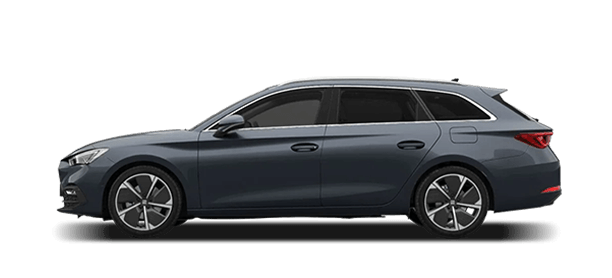
- Estate Car
- Euro NCAP
- Exhaust Emission Control System
- Exhaust Gas Recirculation
- Exhaust System
Engine Control Unit - ECU
Due to complex demands on consumption and exhaust emissions, computer technology has been introduced in engine construction. For instance, Electronic Control Units coordinate the functions of fuel injection and ignition.
Sensors detect the respective current state of individual motor functions and forward that information to the control unit. In the engine control unit, the incoming information is processed, corrected if necessary, and passed on as control signals to the individual modules.
In order to process the multitude of data, the control unit is equipped with a 16-bit or a 32-bit processor. In the case of a six-cylinder engine running at maximum revolutions, there is an interval of only three milliseconds for changes between two ignitions.
In addition, the Engine Control Unit uses the CAN databus to exchange data with the control units of other car systems, such as the ABS / ESP control unit.